
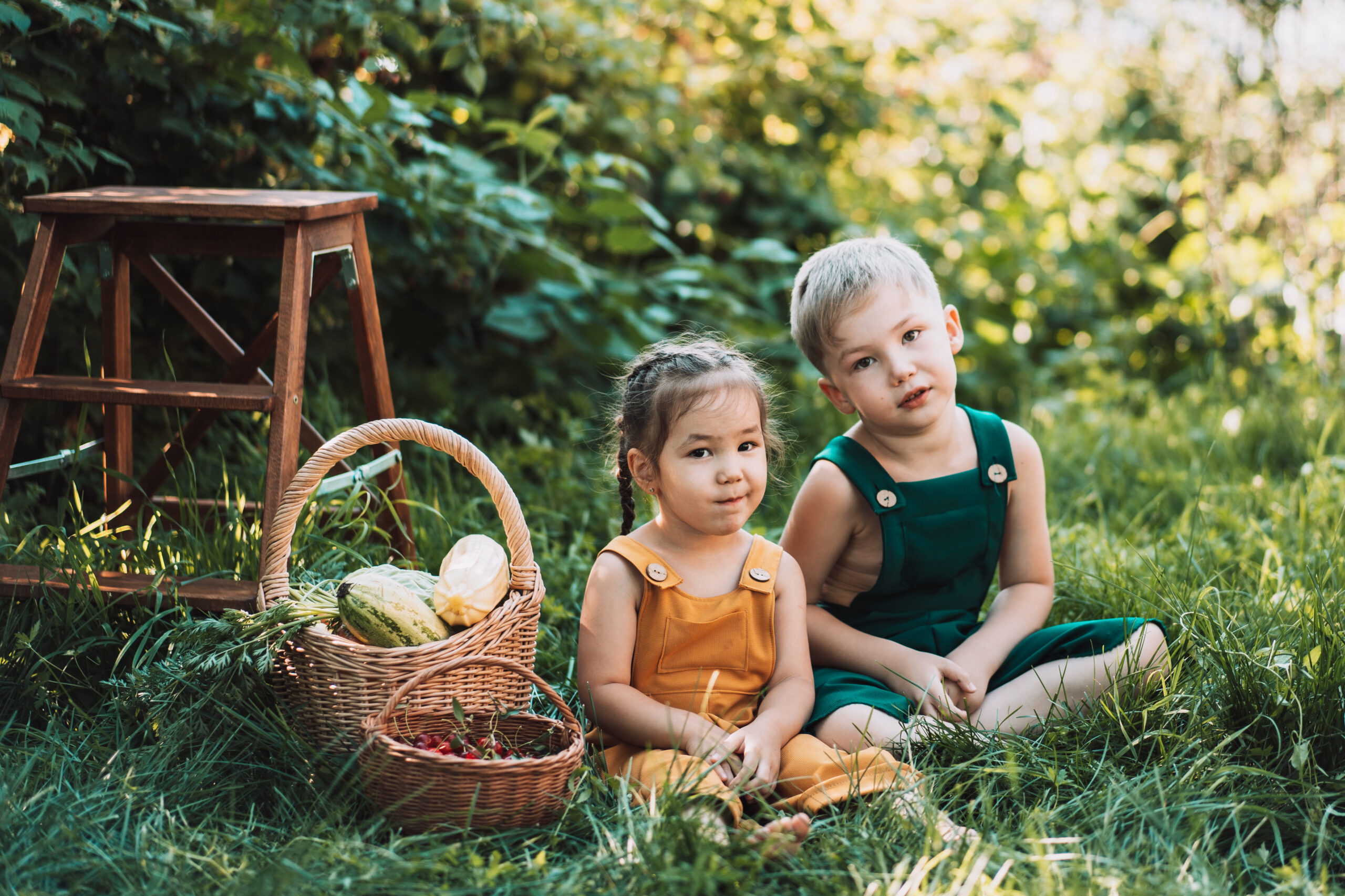
Creating a sustainable wardrobe for your child doesn’t mean sacrificing style. In fact, with the right approach, you can build a collection of clothing that is both fashionable and eco-friendly. This blog will guide you through the steps to achieve this balance.
Essential Pieces: Focus on versatile basics that can be mixed and matched. Think plain
tees, leggings, and neutral-colored tops. This means to undertake a minimalist approach,
where the child is encouraged to care about the environment by starting to respect and
value every single piece of garment.
Quality Over Quantity: Invest in high-quality pieces that last longer and withstand
frequent washing. To avoid waste and overuse of materials and textiles, both families and
children have to adopt new thinking patterns and decision-making strategies based on
quality not quantity. We show that we care about our resources and our environment when
we develop some self-control when it comes to our acquisitions, instead of letting go of all
boundaries and limitations that lead to trivial and senseless consumerism, exhausting our
planet and resources.
1. Organic Cotton: Soft, durable, and free from harmful chemicals.
2. Bamboo Fabric: Naturally antibacterial and very soft on the skin.
3. Recycled Materials: Look for clothes made from recycled polyester or other repurposed
fabrics.
4. Plant-based clothing: It’s not only the texture of the material that is of a higher quality
when choosing plant-based clothing it’s also the sourcing of the textile that matters. Cotton
and linen clothing made of flax are gaining high popularity, especially due to the ecofriendly
textile production processes.
5. Animal-derived clothing: Silk and cashmere are also gaining a lot of attention and they
are perceived as being more valuable in the context of sustainability development of the
fashion industry. These are highly eco-friendly materials.
1. Thrift Stores: Find gently used clothing at a fraction of the price.
2. Online Marketplaces: Websites like ThredUp and Poshmark offer a wide range of
second-hand kids’ clothes.
1. DIY Projects: Transform old clothes into new fashion pieces with simple DIY projects.
2. Creative Reuse: Turn a worn-out dress into a stylish skirt or use fabric scraps for
accessories.
3. Clothing donation of kids’ clothes: One of the most disregarded sustainable fashion
projects is related to the opportunities offered by the donation of clothes. The donation of
clothing can be social impact and through your generosity you can reach out to
disadvantaged families, but not only. You can also give outgrown kids’ clothes to other
family members that have children or acquaintances that would accept and need them.
This type of action is not only helping the community but it’s a great way of conserving
resources through reusing instead of quick disposal.
1. Neutral Colors and Simple Designs: These can be worn across seasons and passed
down to younger siblings.
2. Avoid Fast Fashion Trends: Choose pieces that won’t go out of style quickly.
3. Choose to wear classic: There are clothing items that never go out of style, these are
known to be timeless kids’ fashion. Classic clothes for children may require a bit more
research and finding, since they compete with trendy clothing. However, classic clothing
is more sustainable, practical, and standard. They never go out of style. Plus, it’s a great
option for quick decision-making: when your child doesn’t know what to wear, go classic!
1. Wash with Care: Use eco-friendly detergents and wash on a gentle cycle to prolong the
life of the clothes.
2. Repair and Maintain: Fix minor damages like loose buttons or small tears instead of
discarding the item.
3. Recreate and reuse: When kids clothing doesn’t fit anymore, you have a great opportunity
to recreate new pieces of garment by reusing old pieces of clothing through redesign,
resewing, and combining. Children love to be involved in creative tailoring activities and in
the redesign and reuse of their older clothes.
Building a stylish and sustainable wardrobe for your child is entirely possible with thoughtful
choices and a little creativity. By focusing on quality, choosing eco-friendly materials, and
embracing second-hand shopping, you can ensure your child’s wardrobe is both fashionable and
kind to the planet.